
6 Signs You Need Auto Body Repair Sooner Than You Think
Every automobile owner understands that major traffic collisions demand immediate professional attention, yet subtle exterior damage often slips under the radar for far too long. Daily commuting subjects vehicles to environmental stress, road debris, and minor parking lot scrapes that leave hidden structural or cosmetic consequences. Neglecting these seemingly insignificant warning signs can allow minor blemishes to expand into severe mechanical or safety hazards over time. Recognizing when your automobile requires professional intervention allows you to address underlying vulnerabilities before costly damage modernizes into an unmanageable financial burden. Investing in timely auto body repair helps protect your vehicular equity while preserving overall driving safety on the open road.
1. Spotting Small Patches of Rust
Rust is an aggressive enemy to vehicle integrity that typically begins as an imperceptible flaw beneath the outer paint surface. Environmental moisture, winter road salts, and high atmospheric humidity continuously erode exposed metal surfaces whenever protective clear coat sealants wear thin. Drivers frequently overlook tiny orange spots or bubbling paint around wheel wells and lower door edges, assuming these minor imperfections are purely cosmetic. However, metal oxidation spreads silently beneath the surface, gradually weakening essential structural components and chassis supports. Ignoring early oxidation allows moisture to penetrate deeper into vital metal panels, creating extensive damage that becomes increasingly complex and expensive to rectify later.
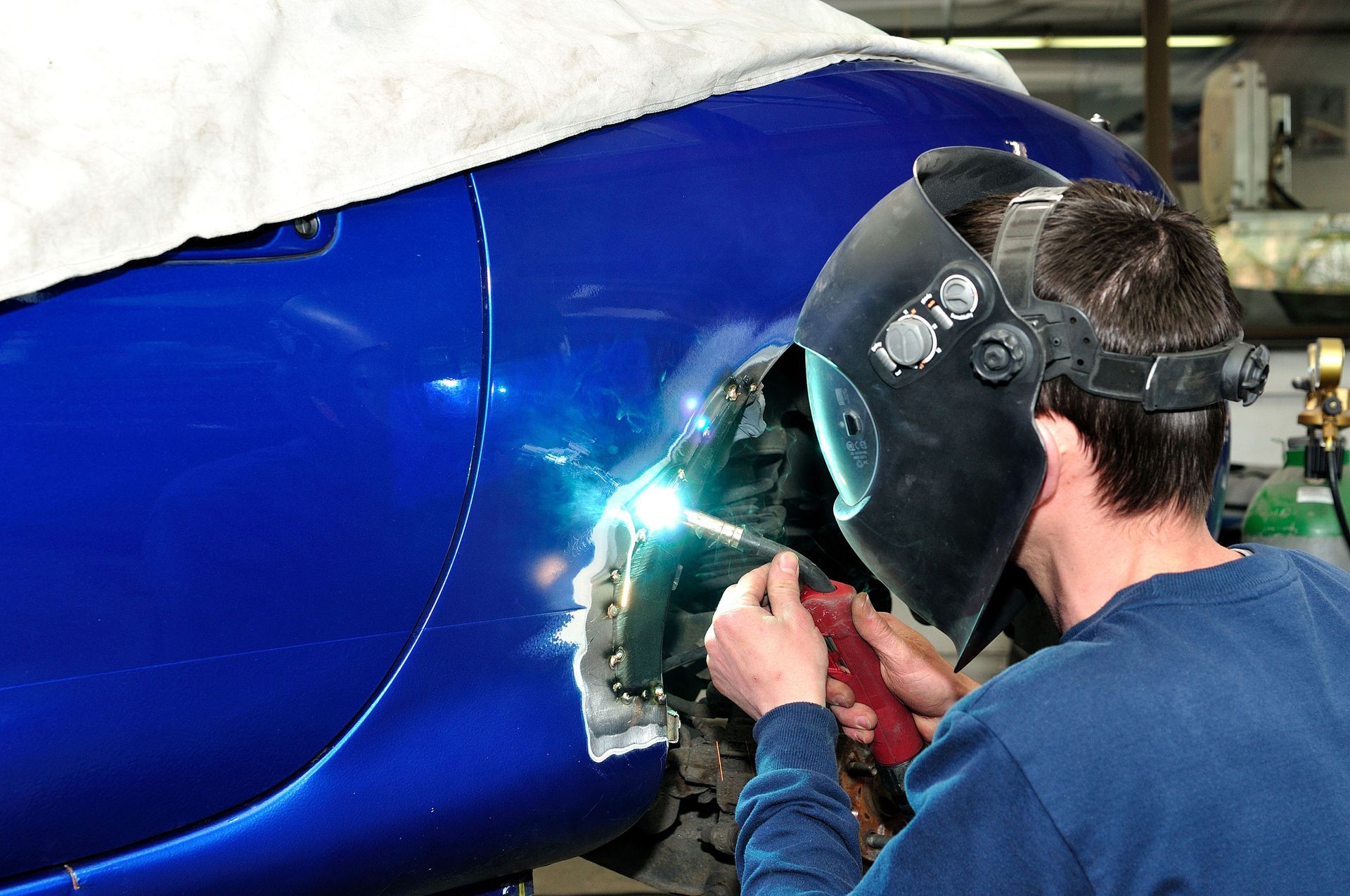
When corrosion penetrates deep within vehicle panels, standard paint touch-up kits are no longer sufficient to restore structural safety. Professional technicians must thoroughly remove compromised metal, apply specialized anti-corrosion chemical treatments, and carefully reshape affected areas to halt further structural deterioration. Promptly seeking auto body repair at the first sign of bubbling paint prevents surface oxidation from compromising the entire frame structure. By addressing metal corrosion early, vehicle owners safeguard structural soundness, preserve exterior vehicle appearance, and maintain higher trade-in value for years to come.
2. Hearing Strange Rattles While Driving
Unusual noises originating from beneath or around your vehicle should never be disregarded as simple age-related quirks or minor annoyances. Persistent vibrations, metal rattling, or heavy clunks during normal operation often indicate loose structural components, detached undercarriage shields, or compromised bumper mountings. Minor fender benders or curb strikes can easily bend support brackets without leaving obvious external dents on the primary exterior bumper shell. Over time, these loosened components continue to rub against adjacent mechanical mechanisms, causing accelerated wear on suspension parts and creating severe driving hazards during high-speed highway travel.
Identifying the exact source of unexpected vehicular noise requires detailed structural inspection by experienced collision technicians. Structural frame components must remain firmly aligned to distribute impact energy properly during potential road accidents. Scheduling comprehensive auto body repair ensures that bent support frame elements, loose internal brackets, and damaged bumper supports are correctly secured or replaced. Addressing structural rattles promptly restores quiet driving comfort, prevents detached vehicle parts from falling off mid-transit, and guarantees that protective collision safety systems function exactly as intended.
3. Noticing Mismatched Panel Alignment
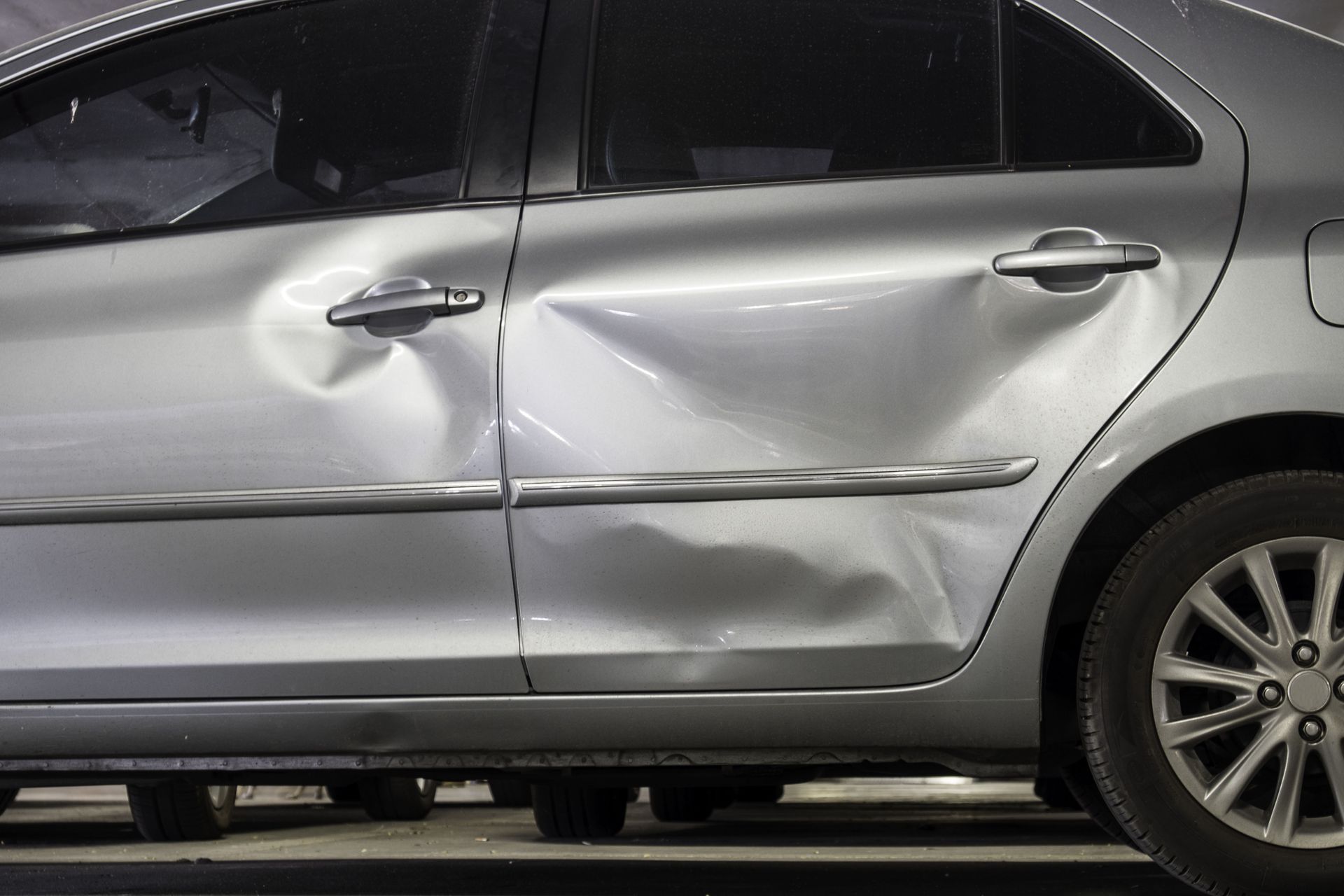
Vehicles leaving manufacturing assembly plants feature precisely uniform gaps between doors, hood, trunk lid, and exterior fender panels. Over time, subtle frame shifting resulting from deep potholes, minor curb bumps, or structural fatigue can cause these exterior gaps to become visibly uneven. You might observe that a car door requires extra physical force to latch securely, or that the hood sits noticeably higher on one side than the other. These alignment discrepancies strongly indicate that internal support structures or unibody frames have shifted out of original factory specifications following hidden impacts.
Misaligned exterior body panels do far more than diminish overall vehicle aesthetic appeal; they allow rainwater, road grime, and harsh wind to enter sensitive internal passenger compartments. Ingress of unwanted moisture damages delicate electrical wiring harnesses, fosters interior mold growth, and causes premature rust along internal door seams. Obtaining expert auto body repair remedies structural misalignment using advanced computerized frame-straightening technology. Realigning structural panels restores sleek vehicle appearance, ensures door latches operate smoothly, and maintains proper weather seals around all interior cabin spaces.
4. Finding Water Leaks Inside Cabins
Discovering damp floor carpets, wet upholstery, or unexplained condensation inside your automobile signals a breakdown in body sealing. While vehicle owners often suspect worn rubber door weatherstripping, hidden frame distortion or misaligned window channels are frequently the true underlying culprits. Even minor structural twisting from previous low-speed collisions can disrupt precision seals around windshields, sunroofs, or trunk lids. Water entering interior spaces creates unpleasant lingering odors, destroys electronic comfort modules hidden beneath floor carpets, and accelerates internal corrosion of floor pans.
Comprehensive vehicle maintenance requires paying attention to both internal mechanical health and overall exterior structural integrity. According to the Federal Trade Commission, your vehicle could have engine trouble if it is burning off more than one quart of oil between scheduled oil changes. Similarly, external structural compromises require expert diagnostic care to prevent widespread internal collateral damage. Scheduling auto body repair eliminates persistent moisture leaks, protects interior electronics, and ensures that outer body panels form an airtight barrier against severe environmental weather conditions.
5. Seeing Cracks in Exterior Paint
Modern vehicular paint coatings serve as vital protective shields rather than mere decorative color applications. Intense sun exposure, harsh automotive cleaning chemicals, and minor physical impacts cause top clear coat layers to crack, spiderweb, or peel away over time. When outer paint layers crack, underlying primer coats and bare sheet metal become directly exposed to harsh environmental oxygen and moisture elements. What appears to be a minor aesthetic flaw quickly transforms into extensive rust damage that penetrates deep into base metal structural sheets.
Ignoring damaged clear coats allows environmental elements to expand hairline cracks across entire body panels rapidly. Professional auto body repair addresses compromised paint layers through meticulous surface sanding, primer application, and precision color matching. Skilled technicians utilize specialized spray booths and durable clear coatings to reestablish factory-grade protection. Prompt refinishing stops paint peeling completely, shields vulnerable metal surfaces from corrosion, and ensures your vehicle maintains an impressive, pristine finish throughout its operational lifespan.
6. Feeling Excessive Vehicle Vibrations
Experiencing persistent cabin vibration while traveling at moderate cruising speeds indicates serious underlying mechanical or structural problems. Drivers often attribute shaking steering wheels or vibrating passenger seats solely to misaligned wheel balancing or uneven tire tread wear. However, structural frame distortion or damaged subframe mounts resulting from severe road hazards can induce continuous chassis vibration. Driving with a compromised chassis subjects overall vehicle components to unnatural torsional stress, causing accelerated wear across suspension assemblies, driveshafts, and wheel bearings.
Allowing frame alignment issues to persist threatens safe vehicle handling and leads to costly secondary mechanical failures. Specialized collision diagnostic equipment measures chassis geometry down to millimeter tolerances to detect structural twisting that escapes simple visual inspection. Investing in professional auto body repair corrects hidden frame distortion, eliminates severe cabin vibrations, and ensures uniform weight distribution across all tire contact points. Prompt structural correction restores smooth driving dynamics, improves fuel efficiency, and protects fundamental passenger safety.
Maintaining vigilance regarding subtle exterior damage, unusual cabin vibrations, and minor structural shifts protects both your financial investment and personal driving safety. Ignoring small body blemishes allows minor flaws to expand into dangerous structural hazards and exceptionally costly repair projects. Addressing exterior panel misalignment, paint cracking, and frame distortion promptly ensures your vehicle remains reliable, visually appealing, and secure on every journey. When you observe any of these warning signs on your personal automobile, seek professional automotive guidance without delay. To restore your vehicle to immaculate structural condition and factory safety standards, contact Detroit Collision Center today.
Share On: