

6 Ways Auto Body Damage Hurts Your Car’s Value
Auto body damage can affect much more than how a vehicle looks. It can influence resale value, safety perception, repair costs, and long-term performance expectations. It may also affect how quickly a vehicle sells in a competitive market, since condition often drives buyer interest. This article explains the key ways damage impacts value and why working with local auto body shops can play an important role in maintaining a vehicle's condition and market appeal. Even small dents or scratches can change how a car is viewed by future buyers or appraisers. The effects often extend beyond surface appearance and can signal deeper concerns about care, repair history, and structural condition. These signals can shape expectations before a closer inspection even takes place, influencing pricing discussions and overall demand.
1. Visible Exterior Damage
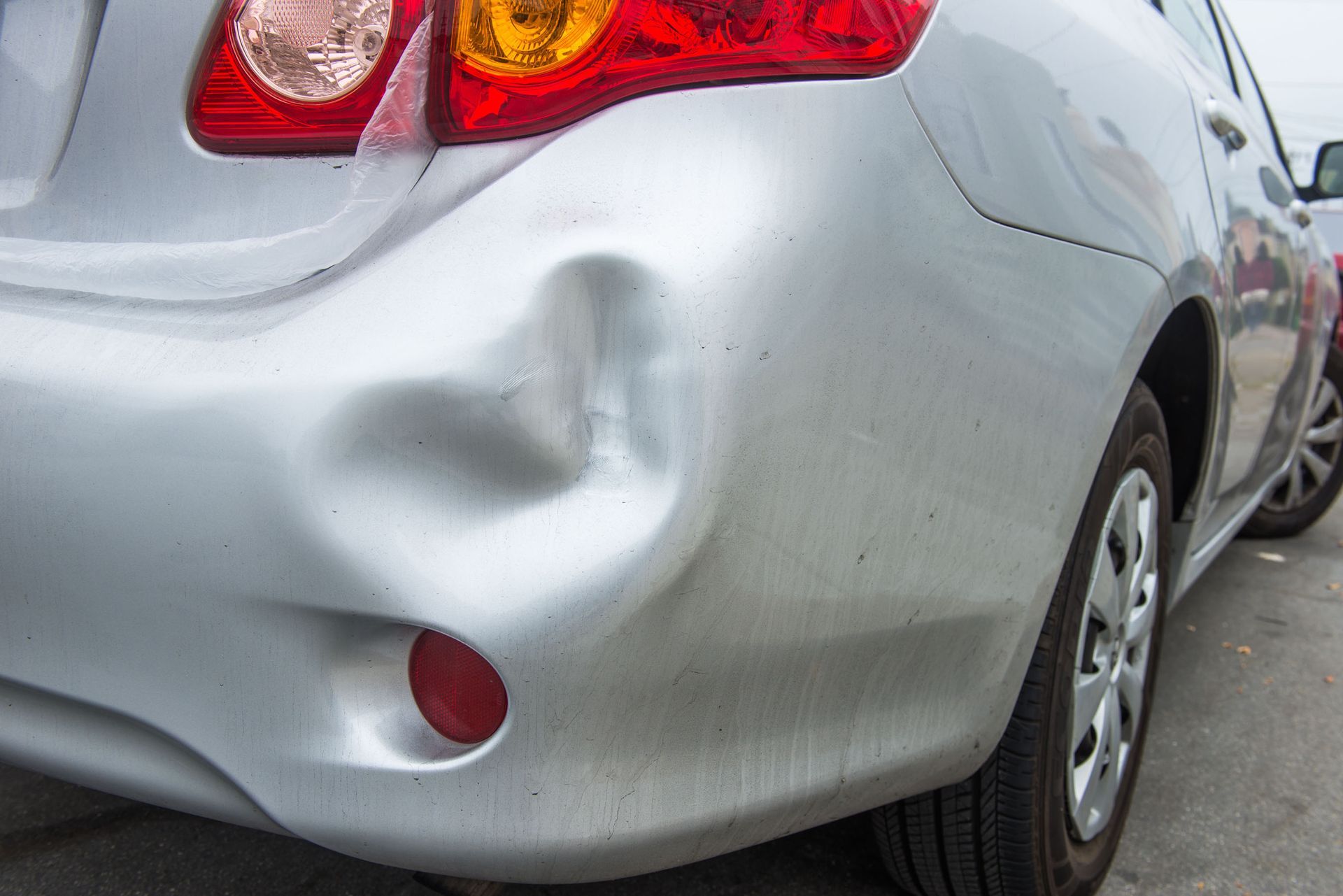
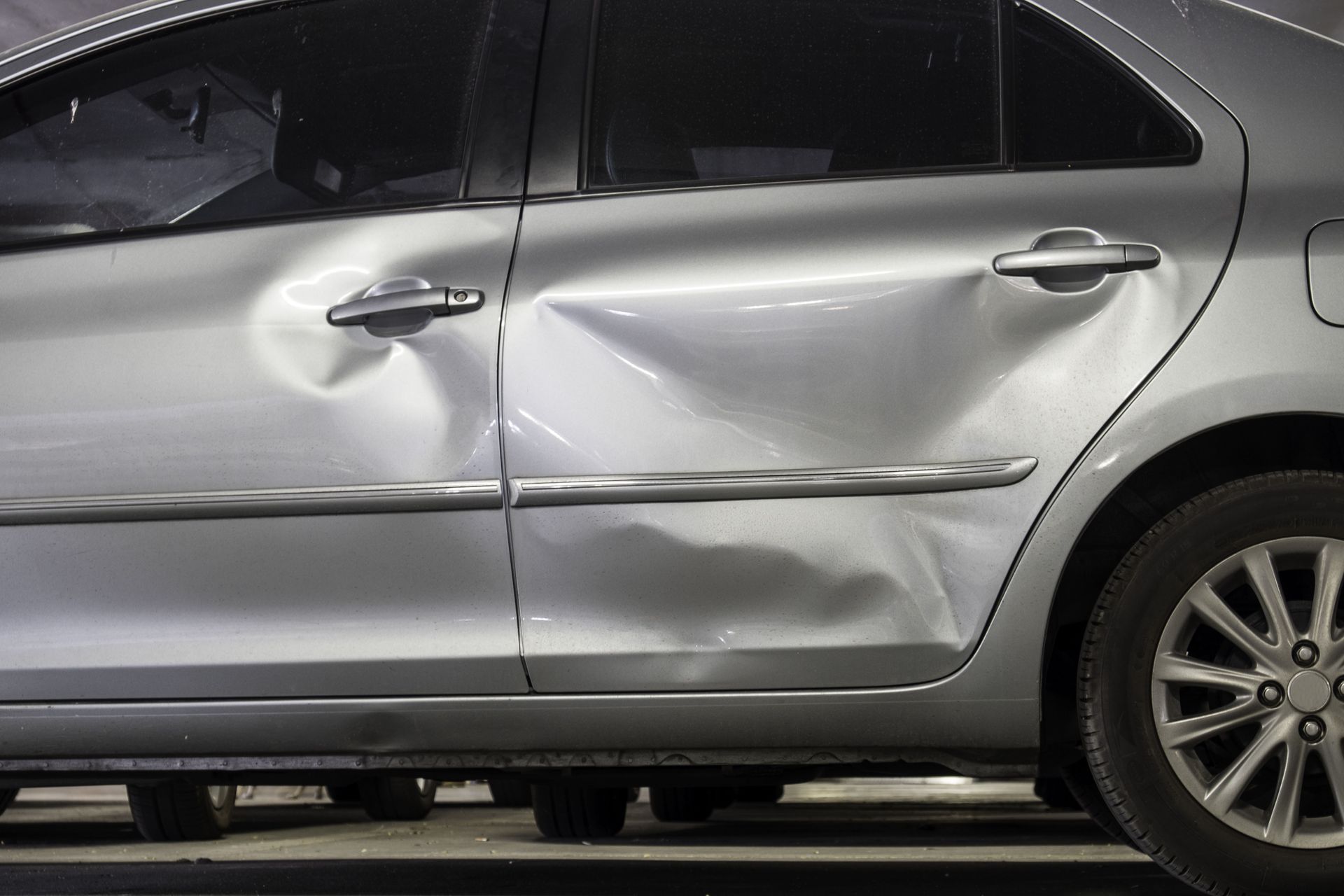
Visible damage is often the first thing people notice when evaluating a vehicle. Dents, scratches, chipped paint, and uneven panels can quickly lower perceived value. Even when damage is minor, it can make a car appear as though it has not been maintained as well as similar vehicles in better cosmetic condition. Many buyers use exterior condition as a quick way to judge overall vehicle care. This means surface damage can have a stronger financial impact than expected. In many cases, local auto body shops are consulted early to address these visible concerns and help restore appearance before resale evaluations.
Repeated exposure to weather can also worsen exterior damage over time. Paint wear and surface corrosion may develop when protective layers are compromised. Local auto body shops often evaluate whether damage is purely cosmetic or connected to deeper issues that may affect long-term value. The presence of multiple visible flaws can also create hesitation for potential buyers. Even when a vehicle runs well, exterior damage often shifts perception and reduces willingness to pay full market value.
2. Frame and Alignment Changes
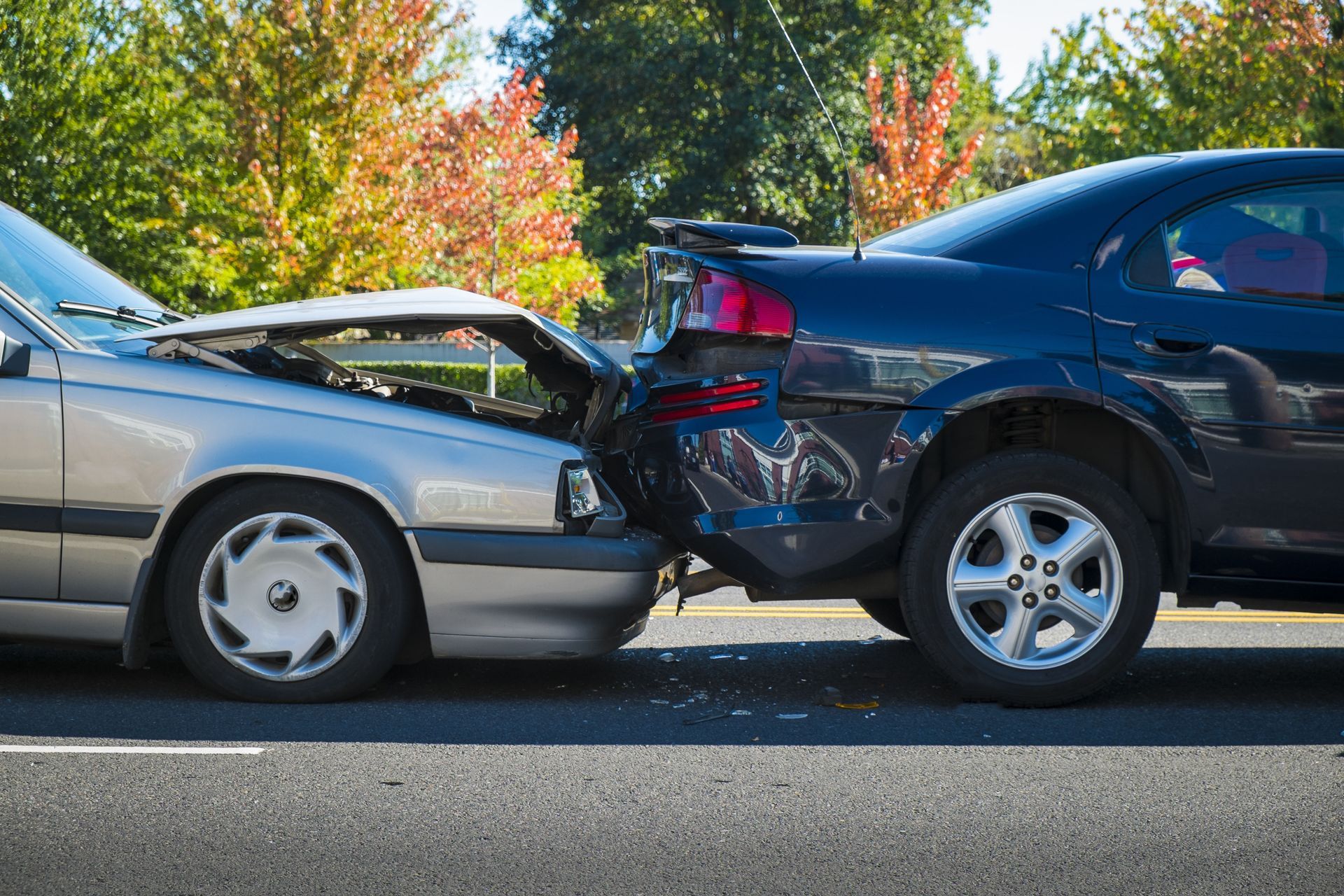
Frame and alignment issues are among the most serious types of auto body damage. Even minor impacts can affect how a vehicle sits or drives, which often leads to reduced value in the eyes of buyers and insurers. A vehicle that does not align properly may show uneven tire wear or slight handling differences. These issues can signal past damage that may not be immediately visible. Local auto body shops are often involved in assessing whether structural components have been affected and what repairs may be needed to restore proper alignment.
When frame integrity is questioned, resale value tends to drop significantly. Buyers often associate structural repairs with long-term reliability concerns, even when repairs have been completed. Local auto body shops frequently help document the extent of repairs to provide clarity during resale discussions. Small alignment changes can also create long-term stress on suspension and steering components. This can lead to additional concerns over time, further reducing perceived value and increasing hesitation from potential buyers.
3. Paint and Finish Devaluation
Paint condition plays a major role in overall vehicle value. Faded, mismatched, or poorly blended paint can make a vehicle appear older than it is. Even when mechanical performance is strong, finish quality often influences first impressions. Scratches and chips that expose bare metal can also lead to corrosion if left unaddressed. This type of damage can spread slowly and create larger repair needs later. Local auto body shops often evaluate paint condition as part of a broader assessment of vehicle value and appearance.
Color inconsistency is another factor that can reduce appeal. When different sections of a vehicle do not match well, it becomes more noticeable under natural light. Local auto body shops frequently address these inconsistencies to help restore a more uniform appearance. A well-maintained finish supports stronger resale value by signaling consistent care. When paint condition declines, overall perceived value often follows.
4. Safety and Mechanical Concerns
Auto body damage is not always limited to appearance. In some cases, impacts can affect safety-related systems or underlying mechanical components. Even minor collisions can shift parts out of alignment or create hidden stress points. When buyers suspect safety concerns, vehicle value tends to decrease. Local auto body shops often perform detailed inspections to identify whether damage has affected critical areas such as crumple zones or mounting points.
Driving behavior can also change after an impact. Small vibrations, noises, or uneven handling may indicate deeper issues that influence buyer confidence. Local auto body shops are commonly involved in diagnosing these concerns and restoring proper function. Over time, unresolved damage can contribute to additional wear on connected systems. This can increase long-term maintenance concerns and further reduce resale value.
5. Repair History and Buyer Perception
Repair history plays a major role in how a vehicle is valued. Even when repairs are completed, documentation and transparency influence buyer confidence. According to Gitnux, a lack of transparency makes about 25% of consumers feel anxious about the collision repair process. This concern often carries over into how repaired vehicles are viewed on the market, especially when details about past damage are unclear or incomplete.
When repair records are unclear, buyers may assume higher risk. This perception alone can lower value, even if the vehicle is fully functional. Local auto body shops often help provide clear documentation that supports understanding of past work and helps reduce uncertainty during resale. Vehicles with multiple repair entries may also face additional scrutiny. Buyers often compare repair history with similar models that have no damage records. Local auto body shops are frequently used to help explain the scope of past repairs in a straightforward way. Clear communication about repair history helps reduce hesitation and supports more accurate valuation.
6. Market Value and Resale Impact
Market value is influenced by both condition and perception. Auto body damage affects both factors by changing how a vehicle is evaluated by buyers, dealers, and insurers. Even when a vehicle's performance remains, visible or documented damage can reduce resale value. Vehicles that have been repaired after damage often sell for less than comparable models without damage history. Local auto body shops play a role in helping restore appearance and function, which can help improve resale positioning in the market.
Timing also matters in vehicle ownership decisions. Delaying repairs can allow damage to spread or worsen, which further reduces value over time significantly. Addressing issues early with help from local auto body shops properly can help limit long-term depreciation. In competitive markets, even small differences in appearance and condition can influence pricing noticeably. Buyers often compare multiple vehicles closely, making condition a key factor in final decisions and overall purchase decisions.
Auto body damage affects vehicle value in many ways, including appearance, structural integrity, safety perception, repair history, and resale appeal. It can also influence insurance assessments and how potential buyers compare similar vehicles on the market. Understanding these impacts helps vehicle owners make informed decisions about maintenance and long-term care, especially when damage occurs unexpectedly or worsens over time. Working with local auto body shops can help restore condition and support better market value over time, while also improving overall confidence in the vehicle's condition. Timely attention often prevents minor issues from developing into more costly concerns later. For professional guidance and dependable auto body repair support, contact Detroit Collision Center today for automotive services that help drivers manage damage concerns and maintain vehicle value with confidence.

Share On: